
Mush America: Lab + Industry News
What do the new FDA traceability laws mean for mushroom farmers?
What Happened:
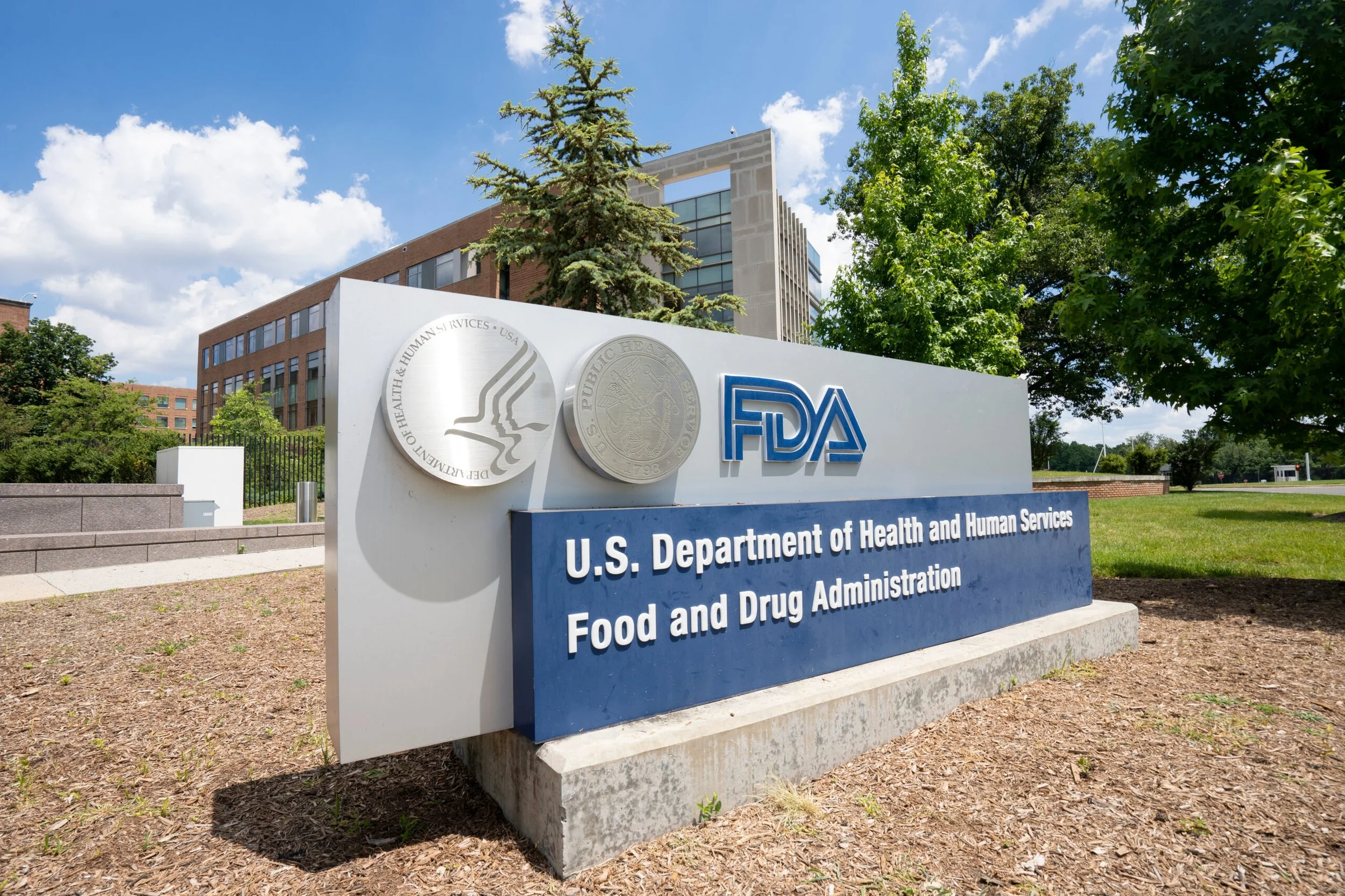
In 2011, the Food and Drug Administration (FDA) enacted the Food Safety Modernization Act (FSMA) to take a more proactive approach to food safety vs reactive. On November 21, 2022, FSMA published its final rule detailing the new mandatory traceability laws to expand documentation and record keeping from harvest to retail. The compliance date for the FSMA’s final rule was intended for January 20th, 2026. However, there is a current extension proposal by the FDA to push back the compliance date by 30 months to July 20th, 2028.
Who does it effect:
Mushrooms (Fungi) fall under the “fresh cut vegetable” classification due to the possibility of raw consumption. Mushroom farmers will need to develop and execute a traceability plan to comply with the FDA by January 20th, 2026 (an approved extension would give mushroom farms until July 20th, 2028). For tips on developing a traceability plan, check out our article going over the requirements and expectations set by the FDA.
While no punishments are detailed yet in the rules as written, the FDA enforces compliance in several ways. Failure to meet the requirements would lead to public warnings released on the FDA website and after repeated offences, could result in fines from tens of thousands to hundreds of thousands of dollars. Domestic farms may face suspensions and closures. For international mushroom farms looking to export produce into the US, the FDA may refuse admission of products into the US. In extreme cases, if the non-compliance results in serious illness or death, the FDA may refer cases to the DOJ for criminal persecution potentially leading to fines and imprisonment.
What does the future look like:
Current industry response times involving recalls average 35 days. The push for an updated system will raise the current standards to mitigate the risks of potentially major illness or death. The FDA looks to expand traceability in their supply chain beyond just shipping and receiving, all the way from farm to retail.
Minimizing the spread of illness starts by identifying the source. Tracing the contaminated produce minimizes the chances of it making its way through different distribution channels to different retailers. For consumers, faster response times in the case of food borne illness outbreaks means they can shop for and enjoy raw mushroom products with confidence.